The Construction of a Style: How Ornamental Became a Visual Language
A style is rarely something you decide to have. At least, that is not how it happened for me.
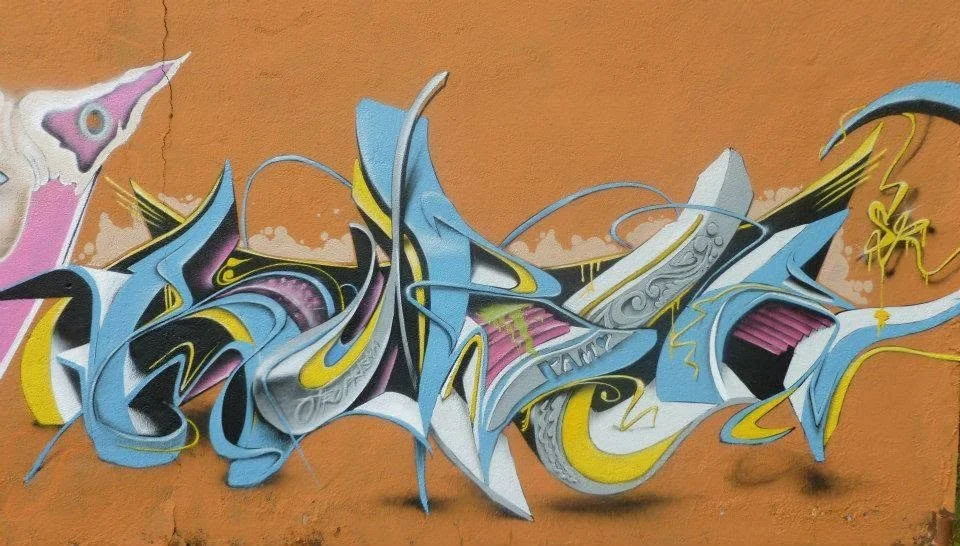
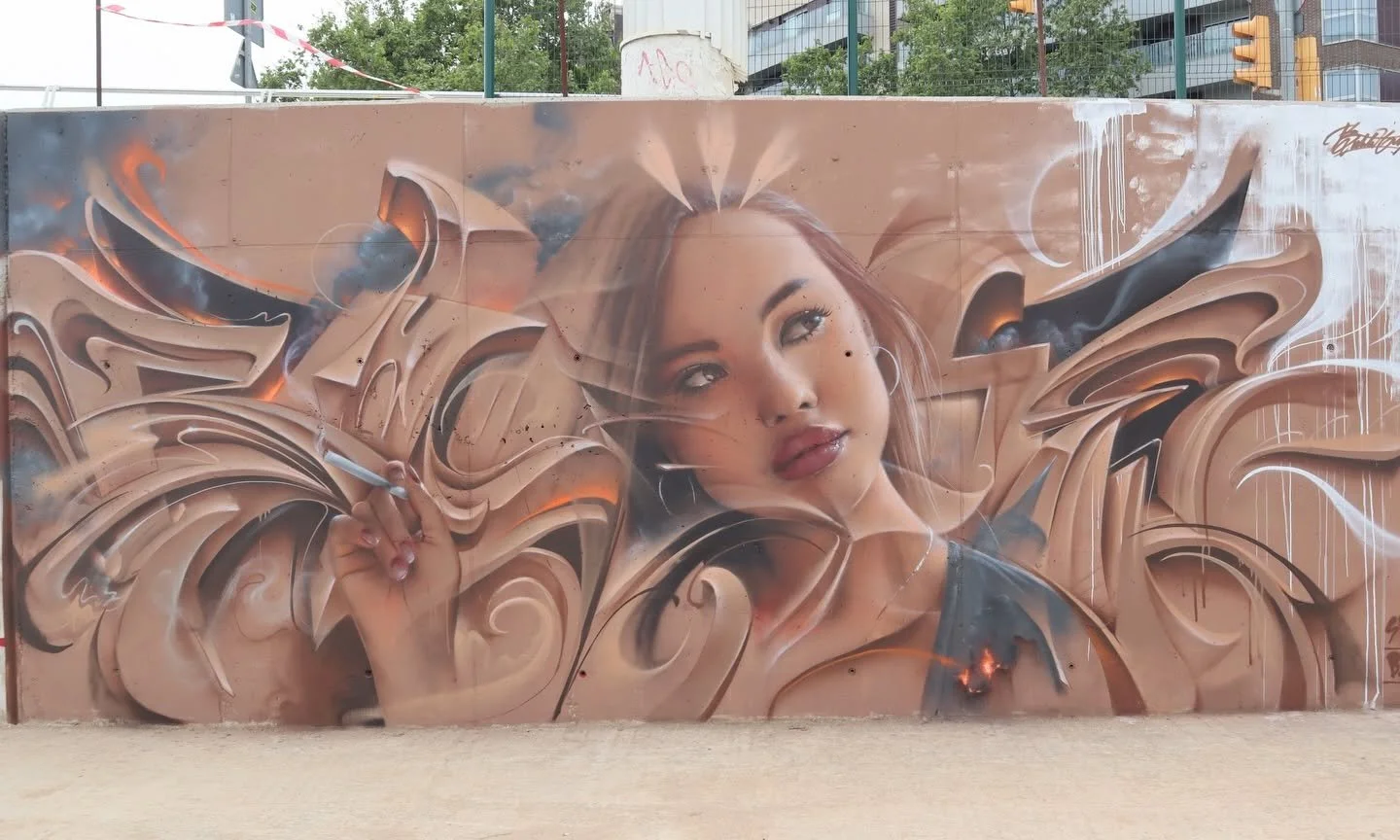
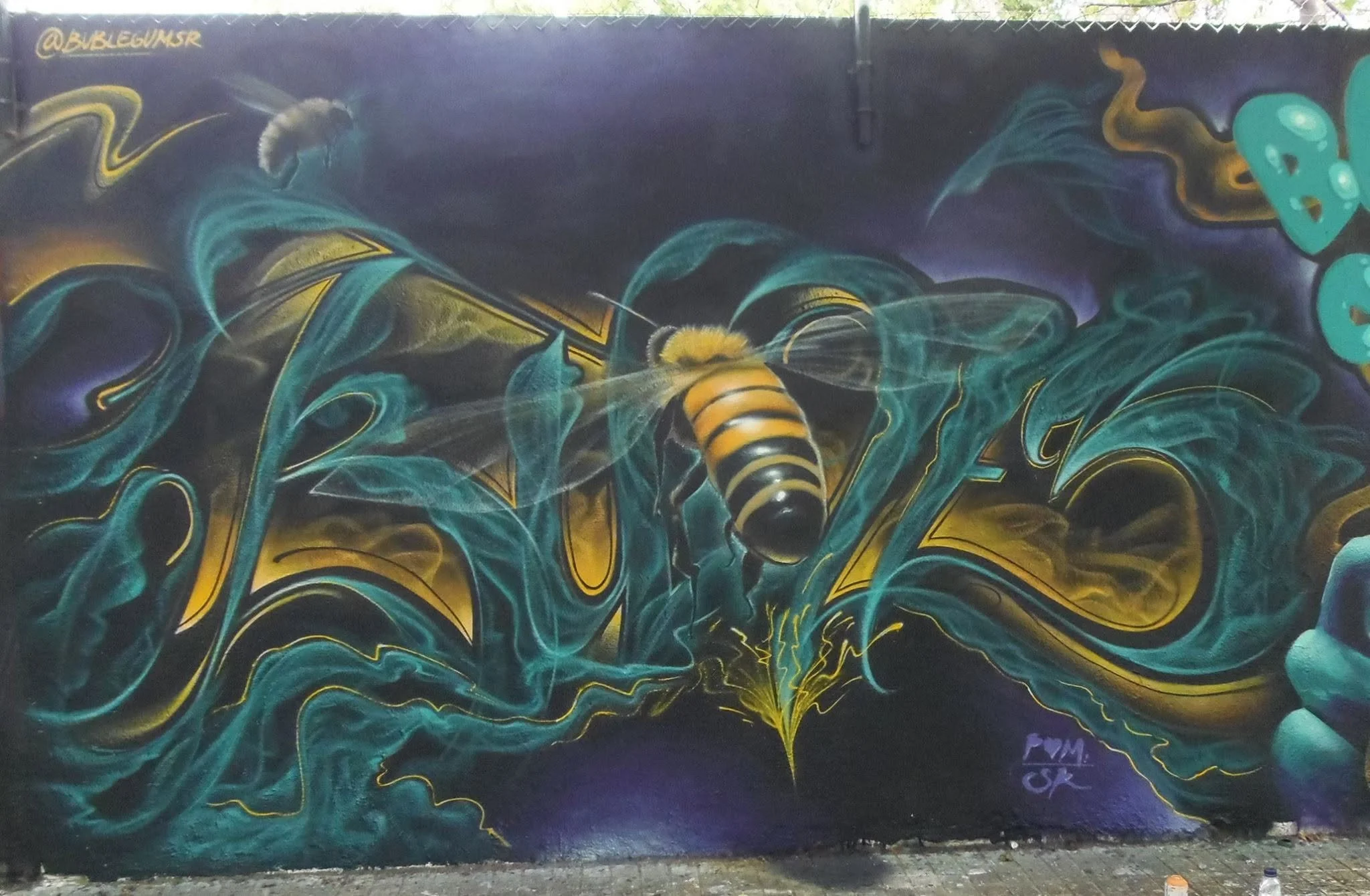
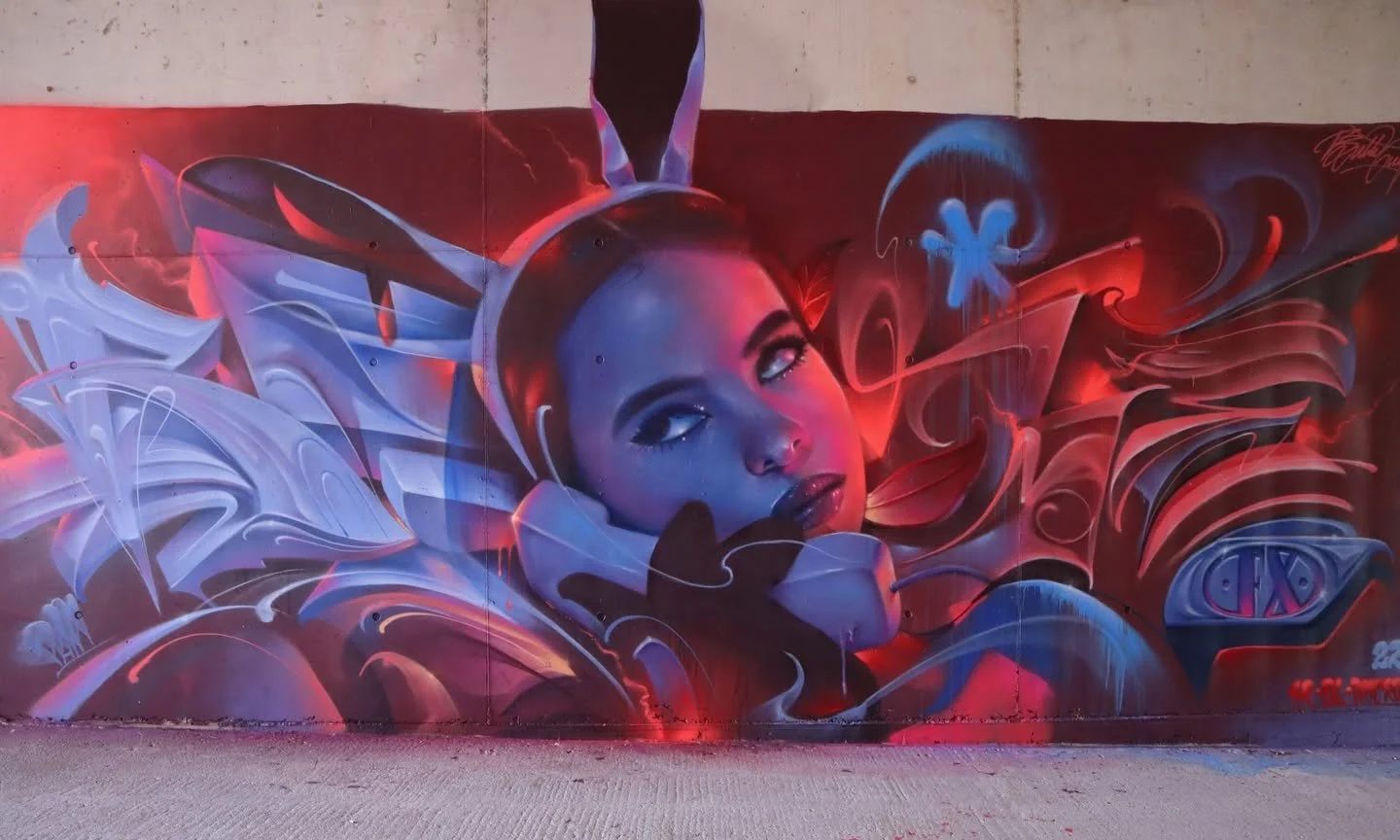
Looking back, I can see certain elements that have been present throughout almost my entire career: animals, flowers, portraits and 3D letters. But for a long time, they existed separately. They belonged to different moments, different influences, different ways of painting.
The Ornamental Style came later.
It was not a decision to create a recognizable style. It was more a matter of connecting things that had been there all along.
Before the Style, There Was Graffiti
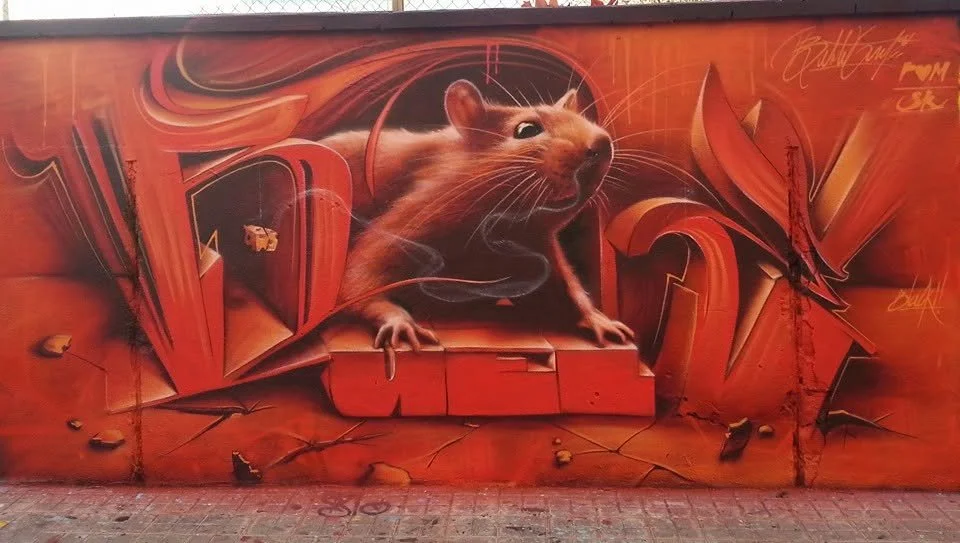
Graffiti was where everything started.
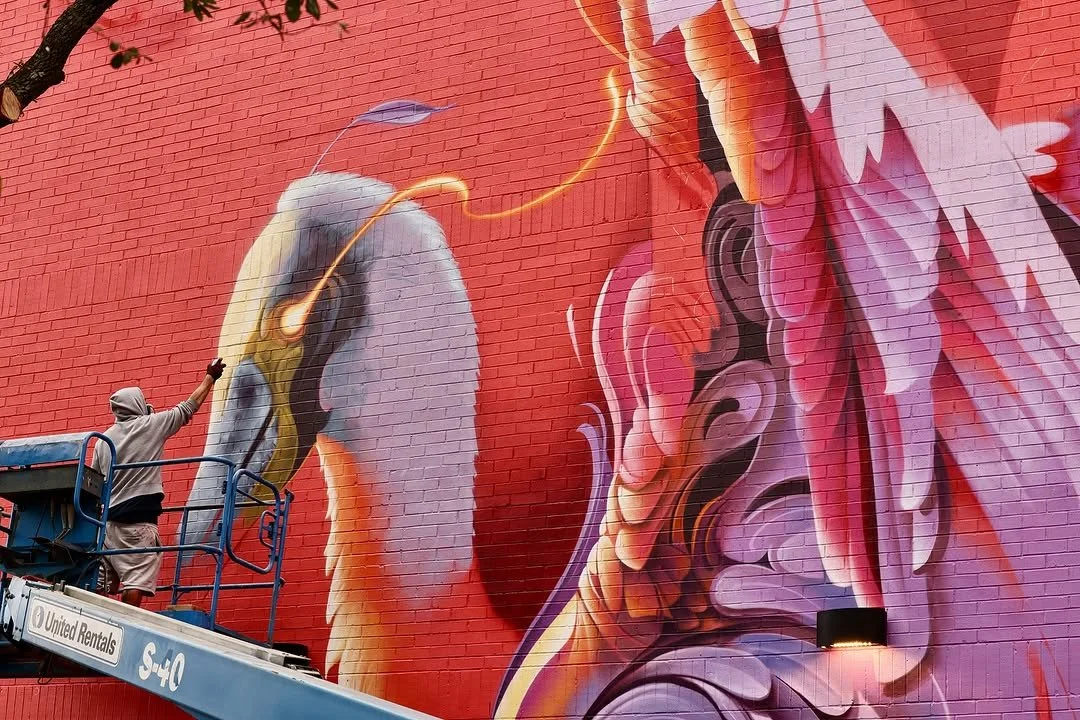
I began painting walls when I was young, and graffiti taught me something that no other discipline could have taught me in the same way: how to think in space.
A wall is not a piece of paper. It has scale, architecture, perspective, texture, light. You have to understand how an image behaves when it becomes enormous.
But graffiti also gave me something even more important: freedom.
There was no need to ask whether an idea was appropriate, elegant, technically correct, or even logical. You could simply try something. Paint over it. Start again. Make mistakes. Experiment.
That way of working stayed with me.
Even today, when a mural can involve a much more developed concept and a very different level of planning, I still try to keep some of that instinct alive.
A Long-Standing Connection with Tattoo Art
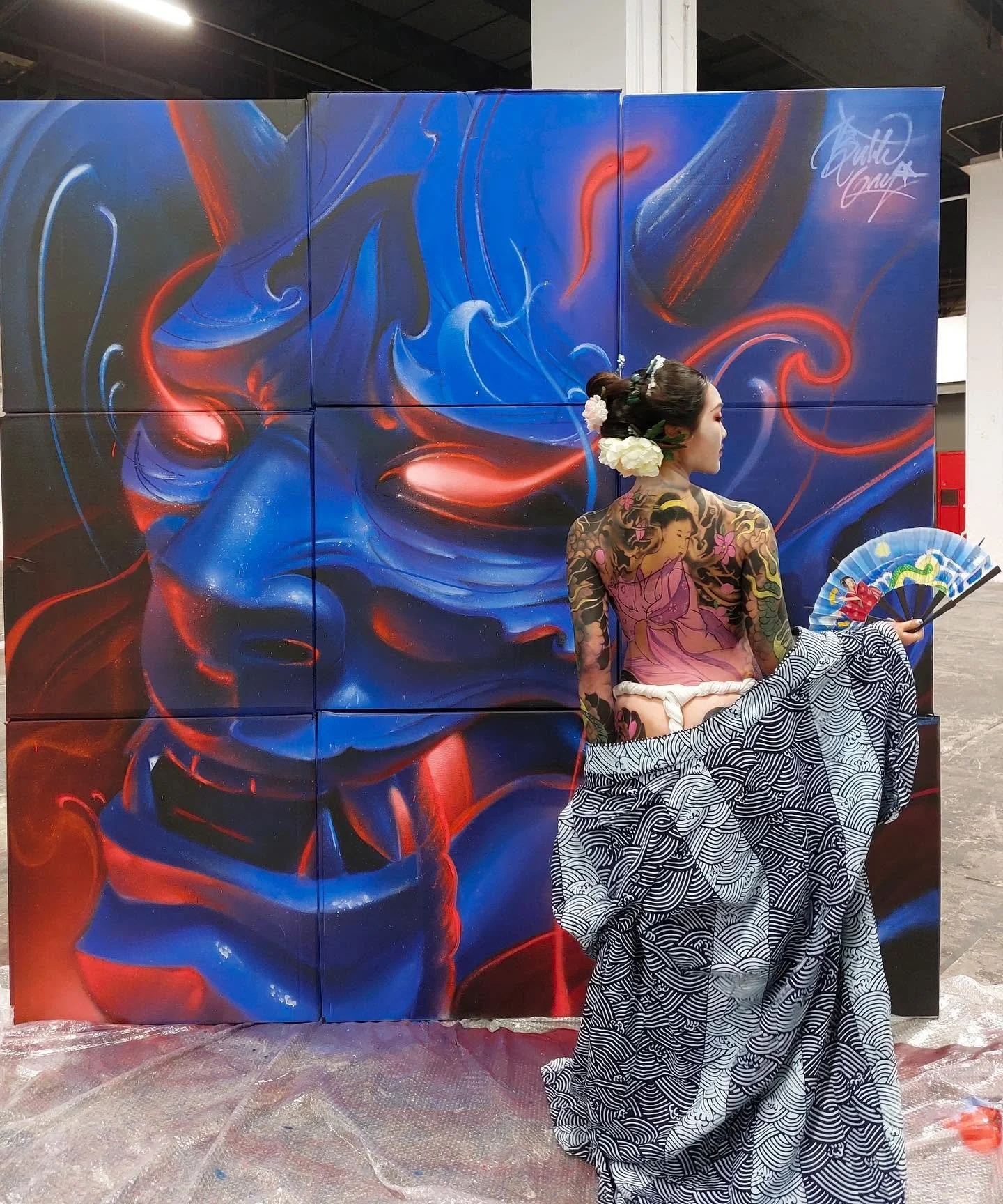
Tattooing has always been one of my biggest artistic references. I have always been fascinated by the enormous variety of styles that exist within tattoo culture, from traditional and neo-traditional to Japanese tattooing, blackwork, realism, and many others.
What interests me is not only the technique, but the different ways each style interprets the same things: line, composition, anatomy, contrast, and symbolism.
The Influence of Sculpture
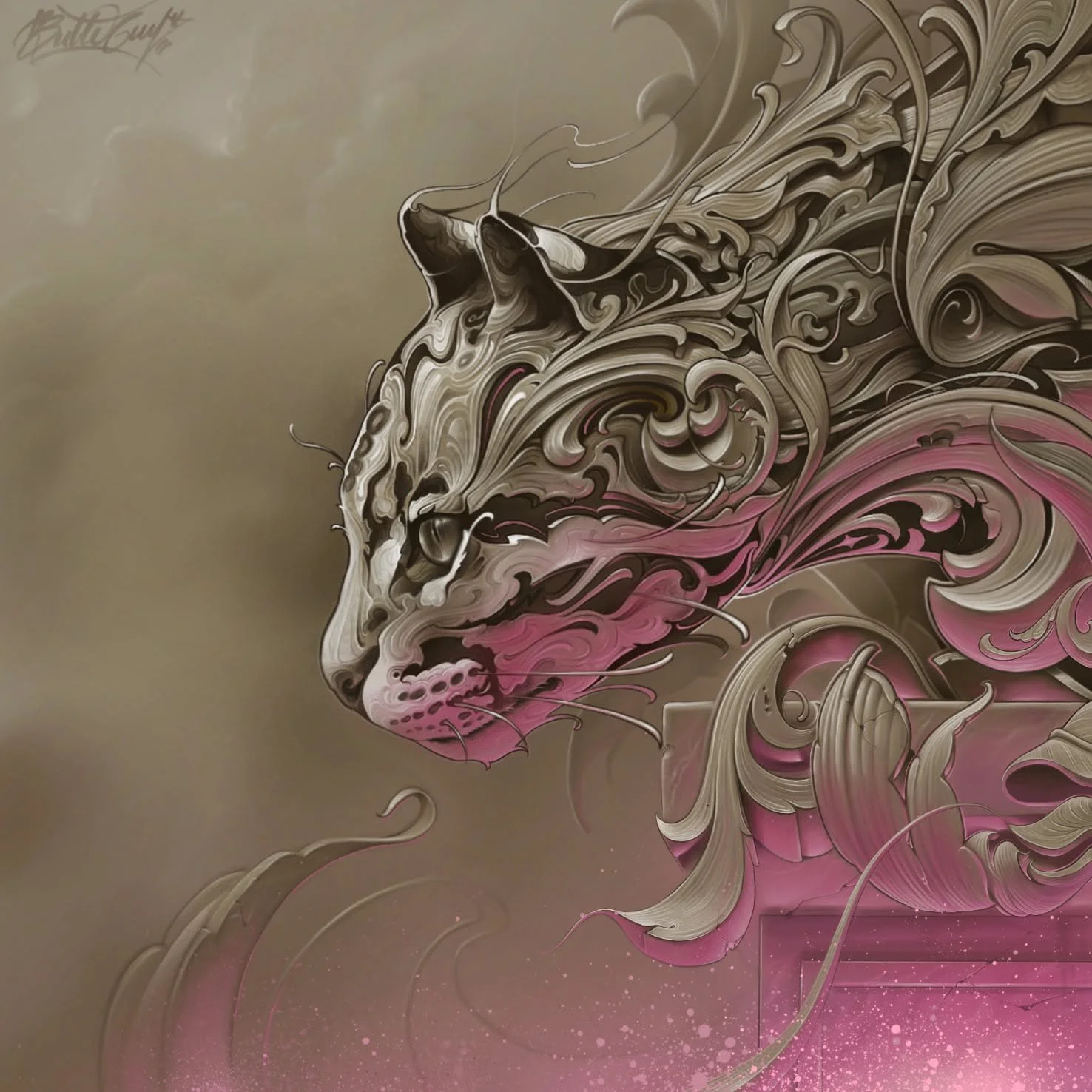
Another important influence came from somewhere very different: Baroque sculpture.
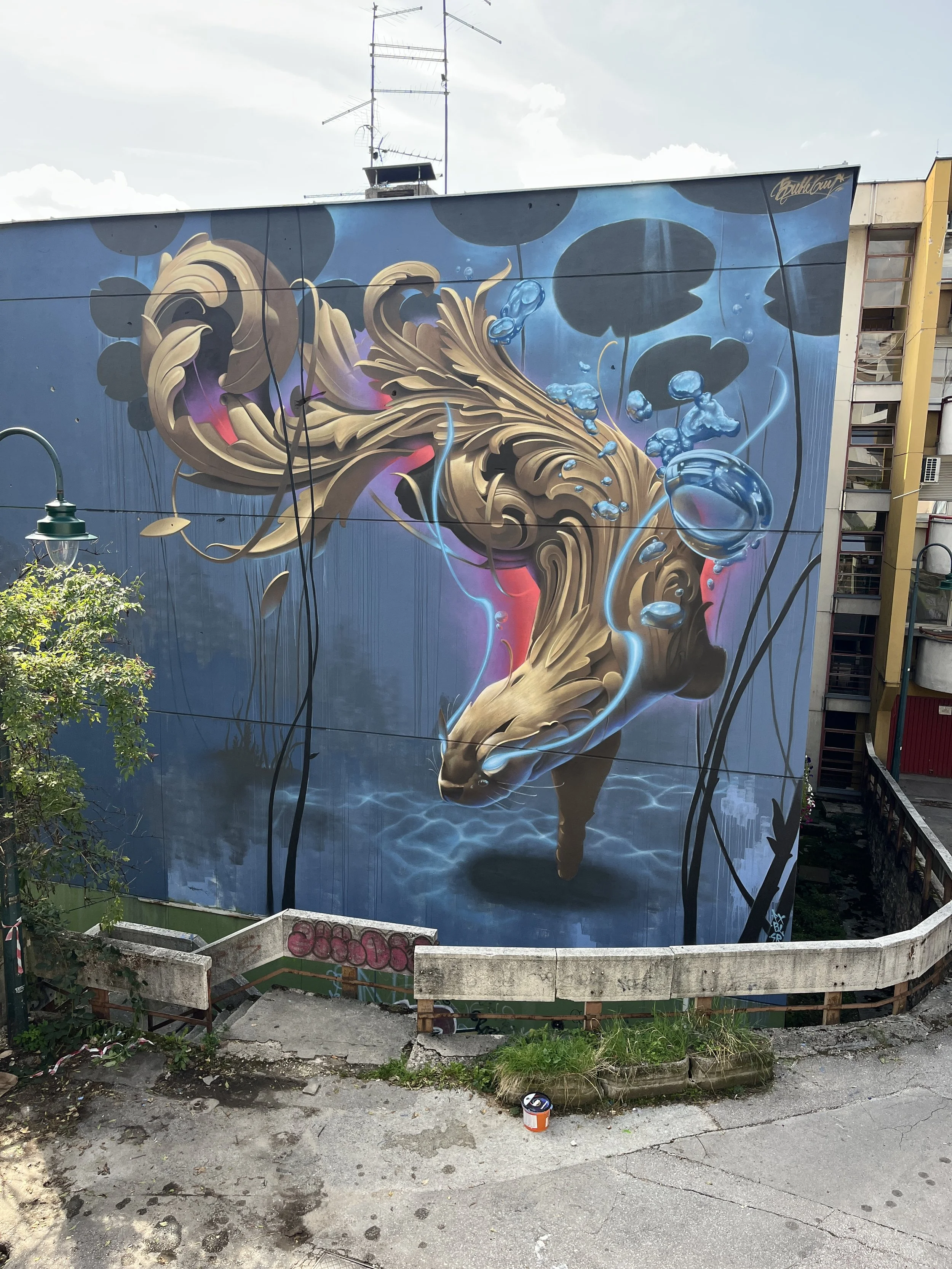
I have always been fascinated by the way Baroque artists could take stone and make it feel almost impossible fabric appearing soft, hair moving, bodies twisting, flowers and ornaments emerging from the surface.
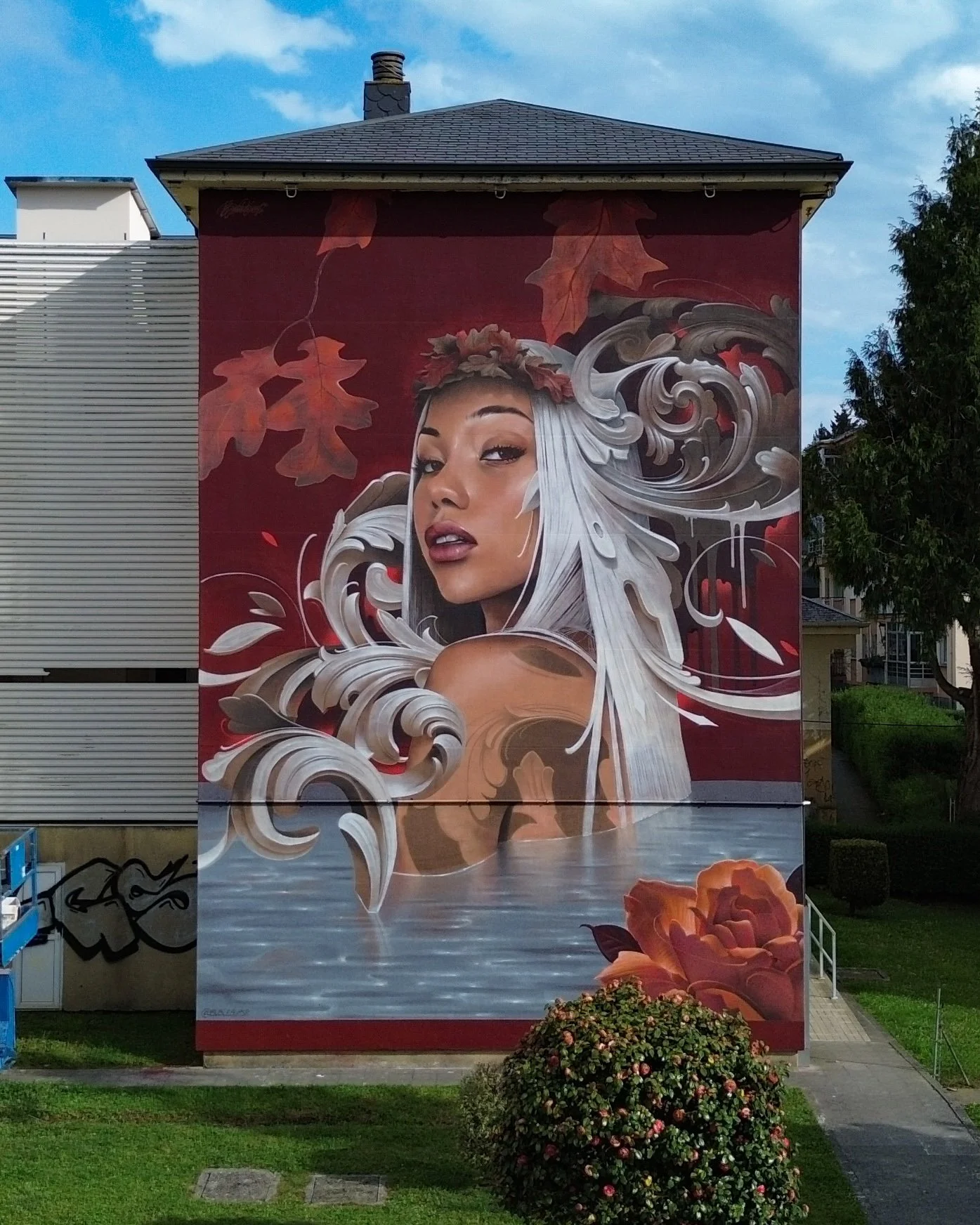
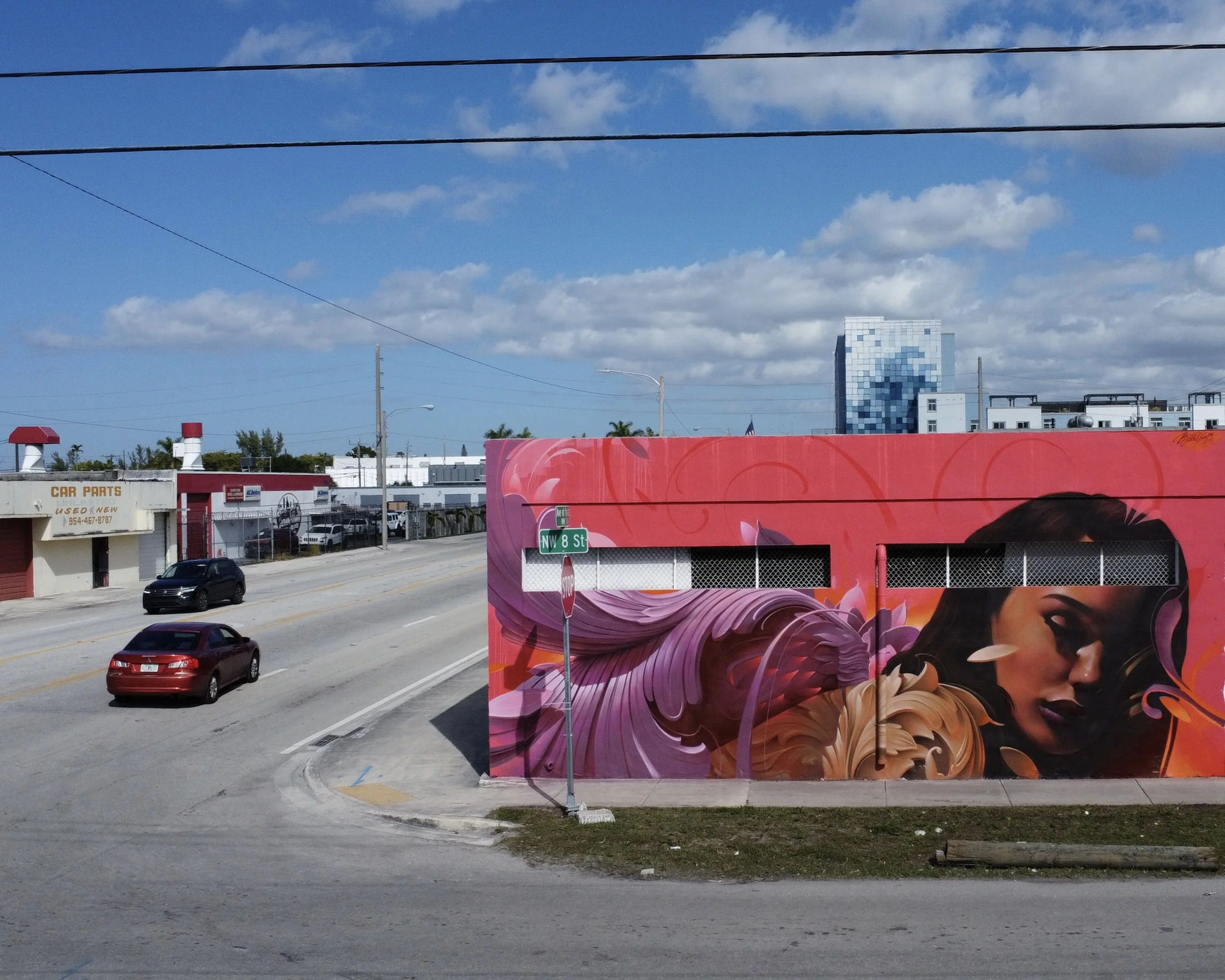
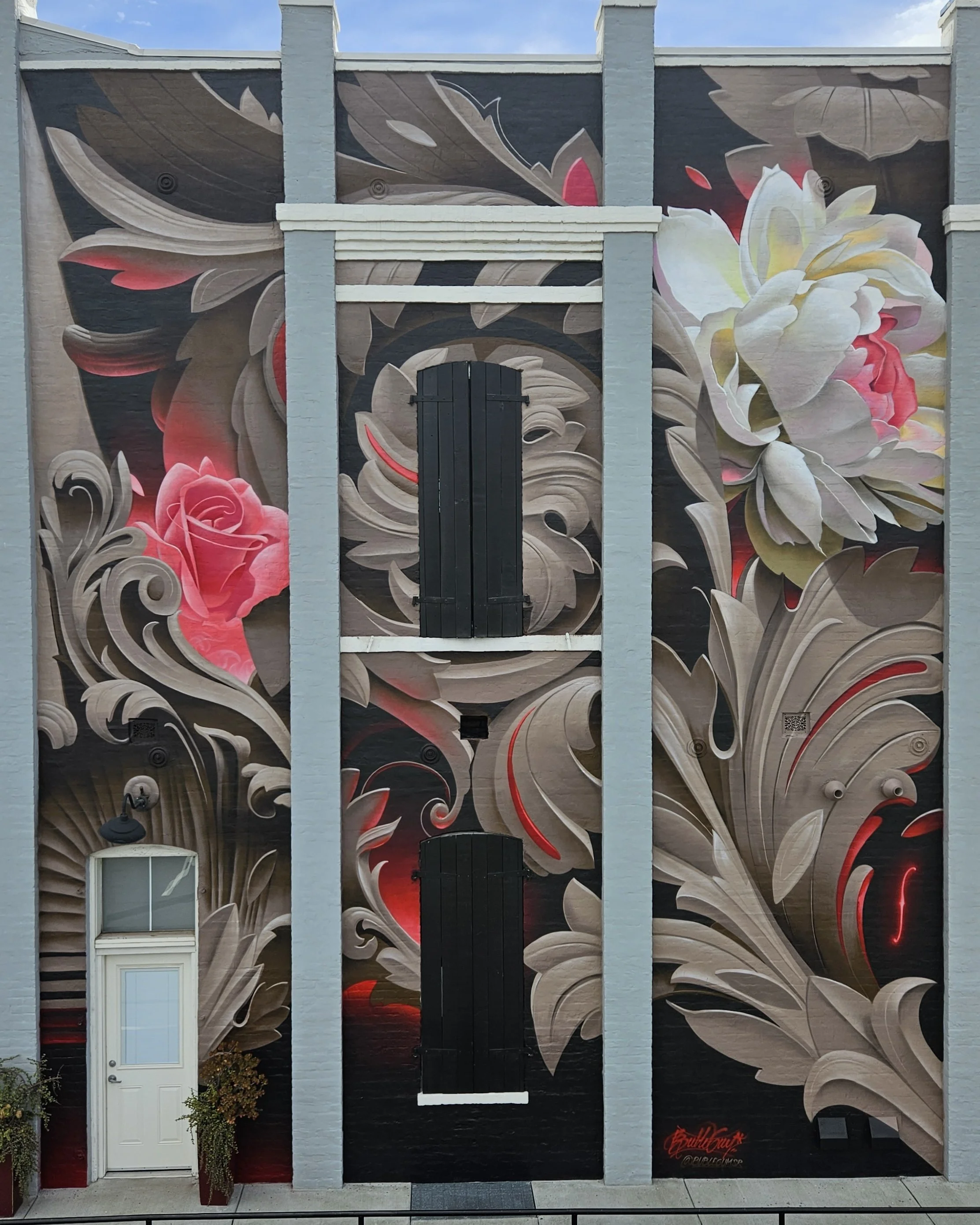
That relationship between volume, movement, and ornamentation became something I wanted to bring into my own visual language.
I wasn't interested in reproducing Baroque art. I was interested in understanding what made it so powerful and finding a way to translate some of those principles into contemporary urban art.
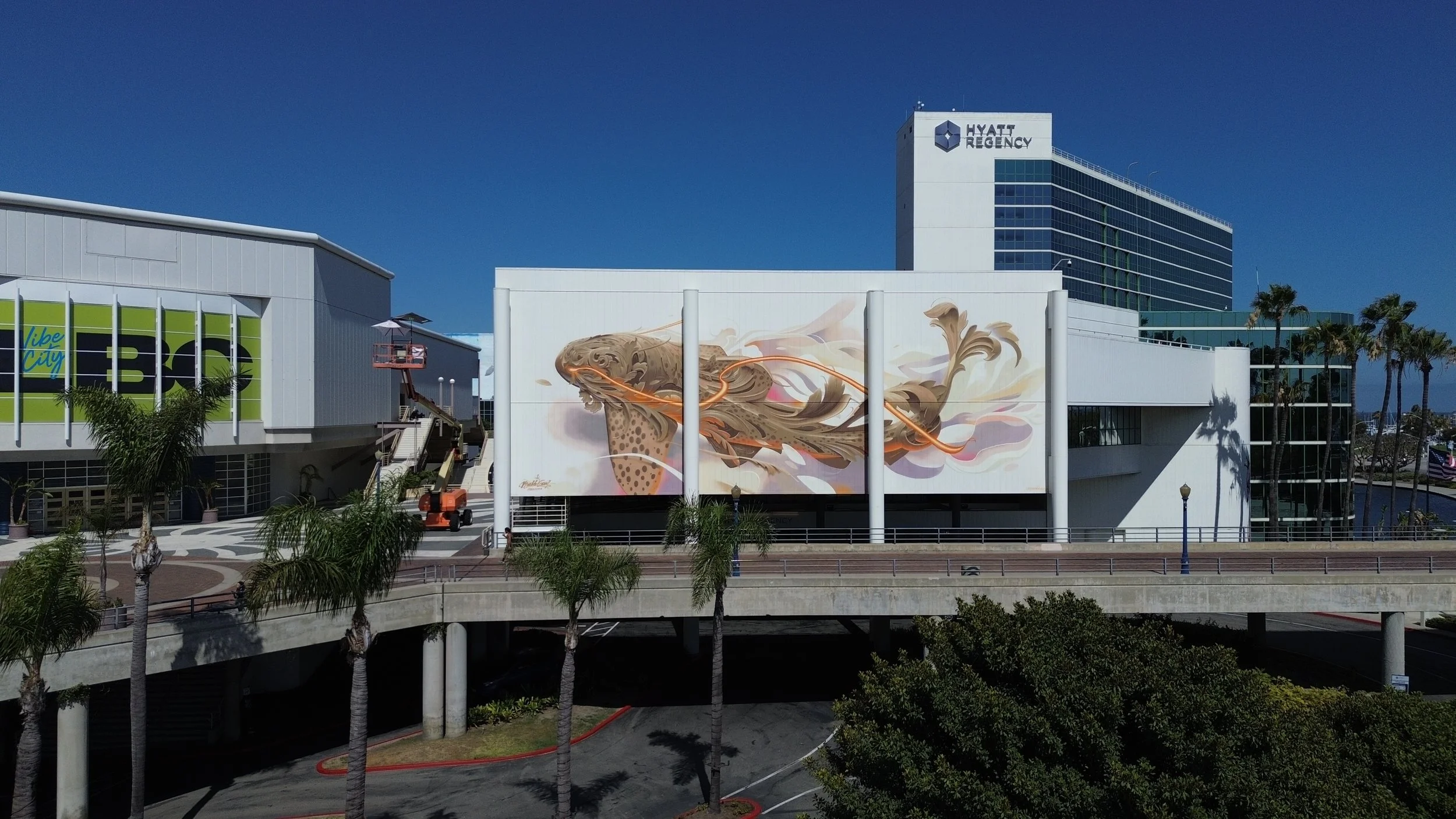
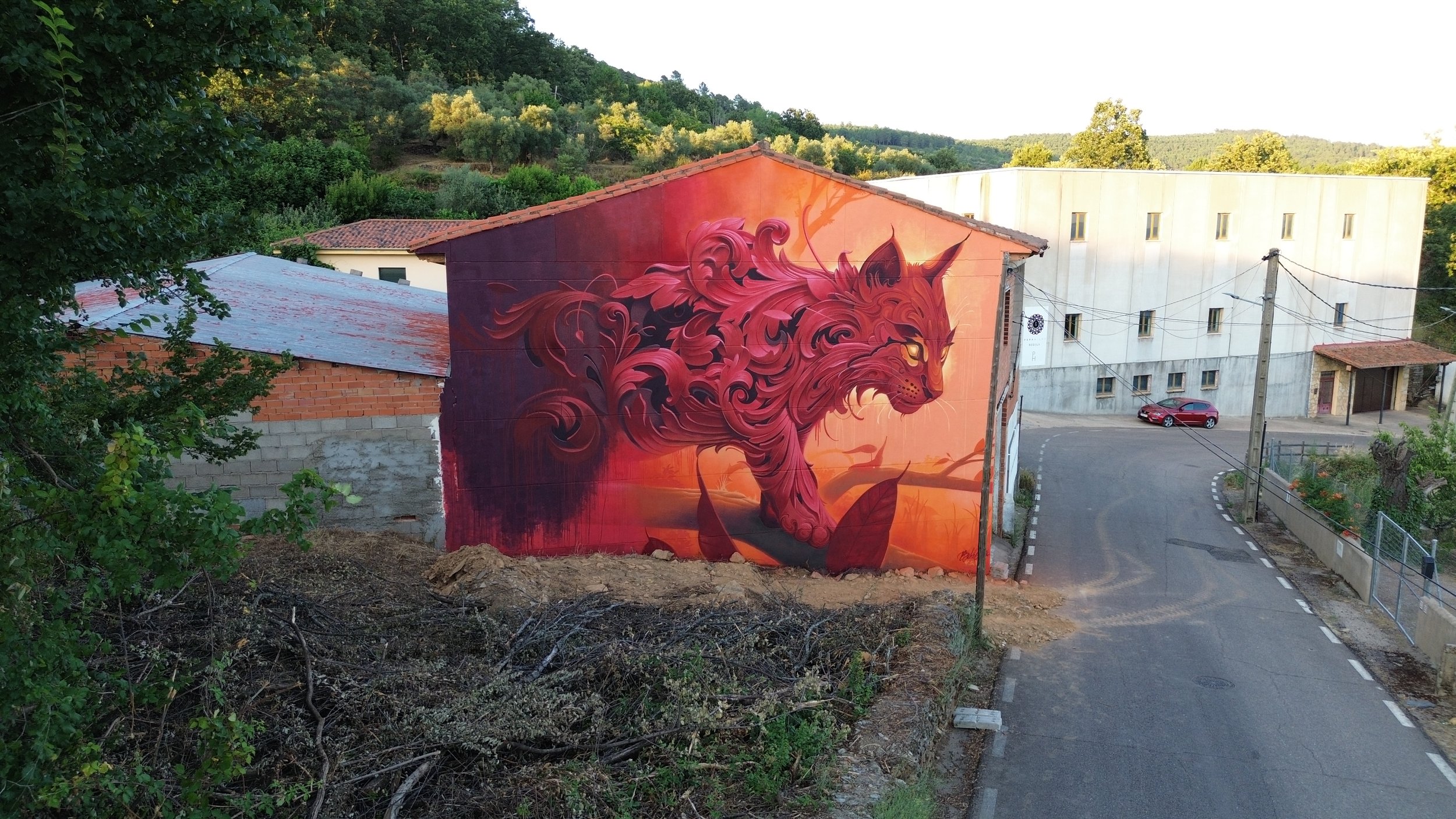
Animals, flowers, and the female figure have been recurring elements throughout my work. I have always felt a strong connection with nature and animals, fascinated by their anatomy, movement, and character. I also love the way people naturally connect with animals that are part of their own environment. When someone sees a fox, an otter, a lynx, or another species they recognise from their region, there is often an immediate emotional connection.
At the same time, I am drawn to animals that are less familiar, especially species that are endangered or rarely represented. Painting them becomes another way of bringing them into people's attention. If a mural can make someone curious enough to stop, look at an animal they don't know, and learn a little more about it, then the artwork can have a purpose beyond aesthetics. In that sense, I see my work as a small way of creating awareness and encouraging people to value and protect the natural world around them.
Flowers have also been a constant throughout my work, partly because I simply love their decorative quality. I have always enjoyed painting them. The female figure comes from that same search for beauty, but carries something different. Female portraits were an important part of my earlier work, and I still find myself returning to them. For me, the female face and figure can communicate beauty, delicacy, strength, and a certain sensitivity. These elements may come from different places, but they have gradually found their way into the same visual world.
A Style Is Never Finished
One of the things I have learned is that developing a recognizable style does not mean repeating yourself forever.
In fact, I think the opposite is true.
A style should be something that gives you a framework to keep experimenting.
The Ornamental Style has changed considerably since I first started developing it. The compositions have become more ambitious, the ornamental elements more integrated, and the relationship between realism and decoration continues to evolve.
I still don't know exactly where it is going.
And I think that's a good thing.
Because perhaps a style is not a destination.
It is a way of looking.
A collection of influences, obsessions, mistakes, discoveries, and things you keep returning to because, for some reason, they still mean something to you.
The style is still being built.